SPP IN LAS ROZAS DE MADRID
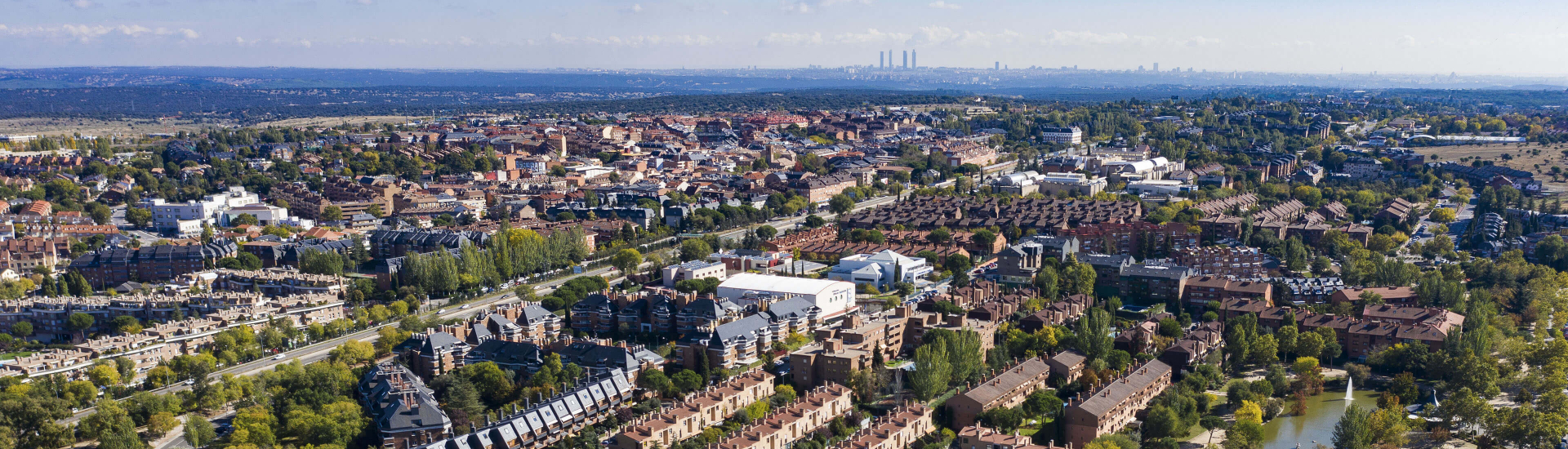
Las Rozas de Madrid, situated in the northwestern metropolitan region of Madrid, encompasses a total area of 5,914 hectares, nearly half of which is dedicated to preserved green spaces. This municipality places a significant emphasis on the service sector, boasting numerous shopping and entertainment complexes, in addition to a thriving business park.
The municipality’s population has increased from 50,000 inhabitants to 99,000 during the last 20 years. Therefore, the city is tackling its transformation by defining and adopting a new Smart City strategy that can address new arising challenges at a local, and a global level. Within this transformation process, Las Rozas de Madrid aims to develop a sustainable management model based on innovation, new technologies and people talent, as the cornerstones of the city’s future growth.
Continuing the participation of Las Rozas de Madrid as a Procura+ network core city, will contribute to establish a new regulation framework towards an innovative strategy engaged with the European Green Deal. Since 2021, the city has been working on the implementation of a Local Sustainability Plan which involves stakeholders from several municipal areas, as well as agents from non-governmental entities operating in the municipality.
Las Rozas de Madrid aims to improve the social and environmental impact of the city, creating a collaborative framework where companies, institutions and the local authority work together to develop efficient and sustainable solutions for local challenges in the short-term, but with a long-term global vision. Procura+ network is key to this for the city, as engagement with stakeholders, garnering best practices and learning from other experiences is something that will help to achieve the city's goals.
SPP HIGHLIGHTS
The City Council of Las Rozas de Madrid, through the Local Green Deals, has engaged Eco-schools as key actors in the transition toward environmental sustainability and climate neutrality. The main commitments made by the schools include:
- Emissions reduction: Contributing to the European Union's "Fit for 55" target by reducing greenhouse gas emissions by 55% by 2030 and achieving climate neutrality in the municipality.
- Energy efficiency and self-consumption: Implementing measures such as energy savings, renewable energy generation, and reducing the use of fossil fuels.
- Environmental education: Promoting technological innovation and training students committed to environmental sustainability, fostering greener and healthier communities.
- CO2 absorption projects: Contributing to improved air quality through concrete initiatives within their facilities and practices.
- Population: 99,000
CONTACT
SPP IN ACTION
LGD with Local Traders: The LGD also involves the small business commercial sector, recognizing its role in the municipality's sustainable transformation. The local traders' main commitments include:
- Waste management and circularity: Prioritizing waste prevention and separation for quality recycling, which saves energy, emissions, and raw materials.
- Carbon footprint reduction: Participating in the door-to-door collection service for paper and cardboard, reducing the environmental impact of transport routes.
- Innovation and sustainability: Incorporating responsible practices into commercial processes and fostering greater environmental awareness in their operations.
- Contribution to climate goals: Helping the municipality achieve climate neutrality by 2030 and promoting more sustainable and healthier communities.
LGDs with Service Providers: In this case, the City Council has developed a specific strategy to promote sustainability in public procurement processes. The key aspects of this agreement are:
- Carbon footprint reduction: Implementing a plan to reduce their carbon footprint by at least 5% annually, calculated using official methodologies.
- Environmental certifications: Maintaining standards such as ISO 14001 (environmental management) and ISO 50001 (energy management).
- Annual reduction plans: Presenting concrete measures to reduce emissions and reporting on their progress.
- Financial responsibility: Covering additional costs of emission reduction measures that exceed the allocated budget.
Monitoring and compliance: Submitting detailed annual reports with progress indicators, complying with the regulations of the National Carbon Footprint Registry. This approach ensures that public tenders become a driving force for achieving the municipality’s goal of climate neutrality by 2030.
EXPLORE MORE